
Sensex crashes 2,500 points, investors lose Rs 12.5 lakh crore as global energy crisis deepens
MUMBAI, MAR 19 : India’s equity market faced one of its most brutal sell-offs on Thursday as West Asia tensions escalated overnight amid massive attacks on energy infrastructure and the continued blockade of the Strait of Hormuz which pushed crude oil prices to around $119 per barrel. Further, the US Federal Reserve’s decision to hold rates steady dampened investors’ sentiment. Additional pressure came from rupee weakness, FII selling and rising concerns over inflation and economic growth.
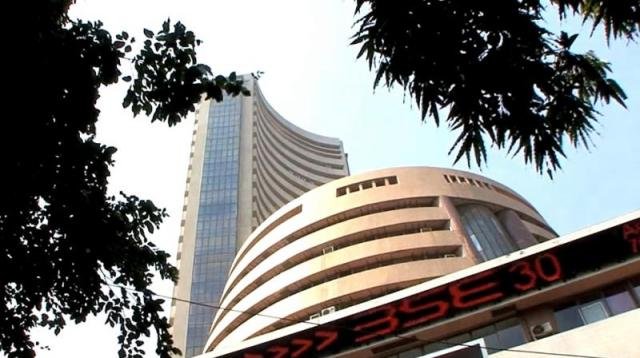
The Sensex fell 2,497 points or 3.26% to close the Thursday session at 74,207 while the Nifty 50 shed 776 points, or 3.26% lower to settle at 23,002. In intraday deals, the Sensex hit a low of 73,951, while the Nifty 50 fell as much as 22,930. Thursday’s fall was the biggest on the Nifty 50 index since June 2024 when the general election results were announced.
The crash wiped out Rs 12.50 lakh crore from investors’ kitty, as the m-cap of BSE-listed firms fell to Rs 426.13 lakh crore from Rs 438.63 lakh crore. Meanwhile, the rupee closed at 93.13, a 52-week low.
“The domestic market ended sharply lower, giving up the gains of the past three days, as a series of attacks on energy infrastructure in the Middle East triggered a renewed spike in oil prices and dampened investor sentiment. The US Fed adopted a hawkish stance, signalling higher inflation amid elevated geopolitical uncertainty,” said Vinod Nair, Head of Research, Geojit Investments.
Geopolitical tensions in West Asia escalated sharply overnight with Iranian missiles striking key Gulf energy infrastructure, deepening the severe global energy crisis. Israel’s recent attack on Iran’s South Pars gas field has intensified retaliatory actions, driving oil prices above $115 per barrel and disrupting LNG supplies.
Siddhartha Khemka, Head of Research, Wealth Management, Motilal Oswal Financial Services, said that the conflict has increasingly taken the shape of energy warfare, with attacks on critical infrastructure by both sides driving a sharp spike in crude oil prices and rattling investor confidence. The fall was further exacerbated by persistent foreign outflows, with FIIs selling Rs 73,705 crore over the past 12 sessions, adding to the pressure alongside weak global cues.
“Going ahead, markets appear to be in a phase of heightened fragility, where sentiment is being driven by rapidly evolving geopolitical developments and sharp rise in crude prices. Given the intensifying tensions around energy infrastructure in West Asia, we remain cautious on the market in the near term and expect volatility to persist,” added Khemka. Volatility surged sharply, with the India VIX rising 21.8% to 22.80, reflecting heightened uncertainty and a spike in risk aversion among investors.
The selling pressure was so intense that none of the 30 stocks in the Sensex pack closed higher. HDFC Bank share price slipped over 8% intraday to hit its 52-week low of Rs 722 after part-time chairman Atanu Chakraborty resigned citing governance issues.
Rajesh Palviya, Head of Research, Axis Securities, said that the Fed’s decision to maintain rates in the 3.5–3.75% band, alongside elevated inflation projections and rising geopolitical tensions around Iran, reinforces a more extended ‘higher-for-longer’ cycle than markets had anticipated.
“For India, the key variable remains sustained dollar strength, which could exert pressure on the rupee and potentially revive FII outflows, particularly in debt markets……rate-sensitive emerging markets may face intermittent headwinds as expectations of rate cuts in 2026 get deferred,” added Palviya.
Tensions in West Asia first escalated after US and Israeli forces targeted key Iranian sites on February 28. Iran swiftly responded with a barrage of ballistic missiles aimed at Israeli cities and important Middle East hubs such as Dubai, Kuwait, Qatar, Saudi Arabia and Bahrain. As of now, the two sides continue to rain missiles and drones on each other.
Oil prices soared following the continued closure of the Strait of Hormuz which handles 20% of global oil and 40% of India’s crude imports. Higher oil prices are likely to translate into higher inflation in the coming months, exerting pressure on currency stability and corporate margins, thereby impacting overall equity market sentiment.
-PTI