
Vedanta Aluminium’s Project Aarogya emerges news hope for under-served in Rayagada and Kalahandi
By Madhusmita Mohapatra
Lanjigarh/ Bhubaneswar, May 4: In the remote interiors of Odisha’s Rayagada and Kalahandi districts, access to healthcare has long been shaped by geography as much as by infrastructure. Scattered habitations, difficult terrain and limited transport options often place medical facilities out of reach for large sections of the population. For many, seeking treatment means travelling long distances—often at the cost of a day’s wage—resulting in delayed care and undiagnosed conditions.
Seasonal diseases such as malaria continue to pose recurring threats, while chronic illnesses frequently go unnoticed until they become severe. These challenges weigh heavily on already vulnerable tribal and rural communities, where early diagnosis and continuity of care remain difficult to achieve.
Against this backdrop, Vedanta Aluminium’s Project Aarogya is emerging as a significant intervention, aligning healthcare delivery with the realities of these regions. In the financial year 2025–26 alone, the initiative has reached nearly 1.26 lakh people across both districts, focusing on accessibility, awareness and timely treatment.
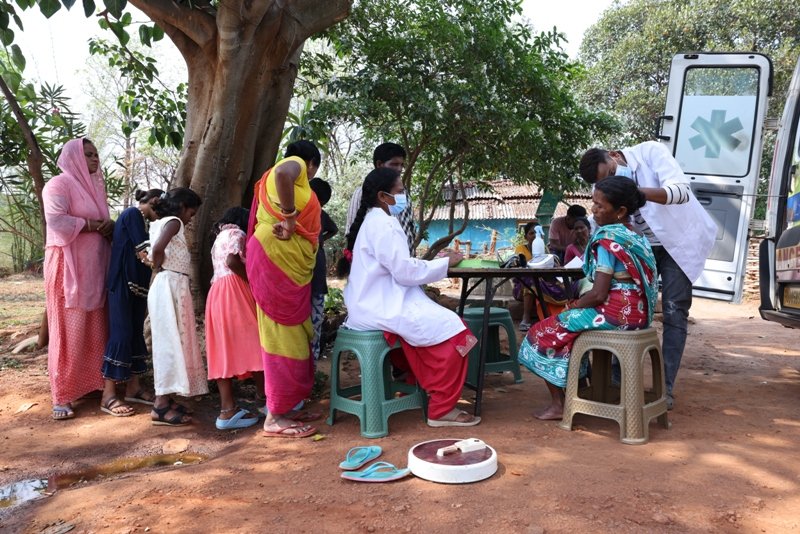
A key pillar of the project is its network of Mobile Health Units, which now serve over 100 villages in remote pockets. Acting as portable primary care centres, these units provide consultations, basic diagnostics and medicines at the community level. For many residents, this marks their first consistent access to trained medical professionals. “Earlier, we ignored minor symptoms because visiting a hospital meant losing a workday. Now check-ups happen in the village itself,” says a resident from Rayagada.
Complementing this outreach, multi-specialty health camps have expanded access to specialised care. In Kalahandi, 12 such camps in FY26 benefited over 5,000 patients, addressing issues ranging from general ailments to orthopaedic and eye conditions—areas often neglected due to lack of specialist access.
Preventive healthcare remains central to the initiative. Screening programmes for conditions such as sickle cell disease and thalassemia, undertaken in partnership with local health authorities, are enabling early detection and long-term management. Awareness campaigns on malaria and other seasonal diseases further equip communities with knowledge to respond promptly.
The project also places strong emphasis on women and child health. Through targeted programmes, awareness around maternal care, nutrition and preventive practices is improving at the household level, encouraging more proactive health-seeking behaviour.
Importantly, Project Aarogya bridges the gap between outreach and institutional care. Strengthened hospital services in Kalahandi provide a reliable referral point for emergencies and critical cases, ensuring that patients can transition seamlessly from village-level care to advanced treatment when needed.
By integrating access, prevention and continuity, Project Aarogya offers a grounded model of rural healthcare—one that responds to local challenges while building healthier, more resilient communities over time.