

India bans paraquat, weeds out biggest poison from its agricultural fields
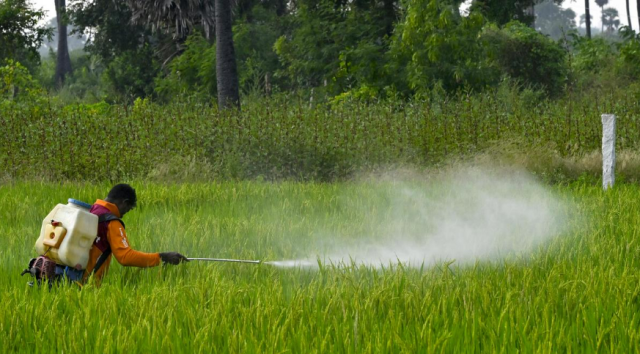
NEW DELHI, JULY 14 : The Centre on Tuesday issued a draft notification imposing a complete ban on paraquat, a deadly herbicide, with immediate effect. It is a ban that many toxicologists, doctors and agricultural experts would argue was years overdue. Despite being prohibited in more than 70 countries, including where it was invented and is manufactured, paraquat dichloride continued to be legally sprayed on Indian farms.
The draft notification banning paraquat was issued on Tuesday by the Ministry of Agriculture and Farmers Welfare, reported Kisan Tak, India Today Digital’s sister portal.
This comes days after sources in the ministry told Kisan Tak Editor Om Prakash that a file proposing a nationwide ban on paraquat was submitted to the Ministry of Agriculture and could be cleared this week.
Paraquat dichloride, one of the world’s most controversial herbicides, has been banned across much of the world over toxicity concerns, and continued to find a market in India.
Acting on the health concerns, the Centre prohibited the import, manufacture, sale, transport, distribution and use of paraquat dichloride under Section 27 of the Insecticides Act, 1968.
More importantly, the Centre’s ban on paraquat could become the beginning of a wider conversation and policy-level action. India still permits the use of several pesticides that have been banned or severely restricted elsewhere over concerns ranging from cancer and neurological disorders to environmental damage. With paraquat finally being shown the door, the attention should now turn to the next chemical on the list.
Since it is still a draft notification, stakeholders have 30 days from July 13, 2026, to submit objections and suggestions before the order is finalised.
India Today Digital and its sister portal on agriculture and farmer’s welfare, Kisan Tak, have raised concerns over harmful chemical fertilisers and pesticides, including paraquat.
PARAQUAT IS CALLED ONE OF THE WORLD’S DEADLIEST HERBICIDES
Paraquat is not an ordinary weed killer. Doctors consider it among the deadliest agricultural chemicals because there is no specific antidote. Even small quantities can prove fatal.
Once inside the body, paraquat damages the lungs, often causing irreversible fibrosis that leaves patients unable to breathe. It can also severely damage the kidneys, liver, skin and eyes.
Because treatment is largely supportive rather than curative, poisoning carries an exceptionally high mortality rate.
Paraquat also targets farmers and farm labourers where the herbicide is used. Severe side effects and fatal poisoning usually happen to these groups through accidental swallowing, breathing in fine spray mists, or prolonged skin contact with wounds.
These are the reasons more than 70 countries, including the European Union, the United Kingdom, Switzerland and China, have prohibited or phased out its use.
INDIA TRIED TO BAN PARAQUAT BEFORE. THIS TIME IT IS DIFFERENT
This is not India’s first attempt to tighten the screws on the paraquat. Several states, including Kerala and Andhra Pradesh, restricted its use earlier. However, many such actions in other states ran into legal challenges or technical hurdles.
The Centre itself had repeatedly examined the herbicide through expert committees and regulatory reviews.
Now, following recommendations from a government-appointed expert panel and the Registration Committee, the Agriculture Ministry has issued a draft notification for a nationwide prohibition.
Unlike earlier state-level restrictions, this would apply across the country.
WHAT HAPPENS WHEN PARAQUAT BAN IS FINALISED?
Once the final notification is issued, Paraquat’s legal life in India will effectively end. Its import, manufacture, sale, transport, distribution and use will all become illegal.
All registration certificates issued for paraquat formulations will stand cancelled.
Manufacturers and dealers holding valid registrations will have three months to surrender those certificates to the Registration Committee. Failure to comply could invite legal and penal action.
The Centre has also authorised state governments to enforce the order through inspections and action against violators.
Officially, paraquat was approved only for nine crops in India. They’re tea, potato, cotton, rubber, coffee, paddy, maize, wheat and grapes.
But paraquat’s widespread misuse has been reported from various places in India. In several states, including Rajasthan and Madhya Pradesh, farmers allegedly sprayed paraquat on standing moong (green gram) crops shortly before harvest to dry them quickly and reduce labour costs. Such “off-label” use meant residues could enter the human food chain.
The government has treated this widespread misuse as one of the principal reasons for proposing a complete ban, Kisan Tak reported.
COULD PARAQUAT BAN BE THE BEGINNING?
Paraquat is unlikely to be the last pesticide to come under scrutiny and the government’s proactive action. Several other agrochemicals still approved for use in India have either been prohibited or heavily restricted elsewhere because of concerns over cancer risks, neurotoxicity, reproductive harm or environmental damage.
Carcinogenic chemicals, which get Indian agricultural exports rejected in Europe, continue to be sprayed at Indian farms without checks even though they are banned abroad. India Today Digital in June asked, why does the government allow these chemicals to find a place on Indian farms and then reach plates?
Apart from paraquat, India continues to permit the use of controversial chemicals such as glyphosate, 2,4-D, dimethoate and acephate, all of which have faced bans, restrictions or significant health and environmental concerns in several countries.
Each of these farming chemicals has its own scientific evidence, regulatory history and risk profile. While paraquat’s ban should not determine the fate of others, t signals that Indian regulators are increasingly willing to revisit older approvals in light of newer scientific evidence, misuse patterns and public health concerns.
After the draft notification becomes law following the consultation period, India would finally join the list of countries that conclude paraquat’s risks outweigh its benefits. Paraquat might be the first domino. The bigger question now is which other hazardous pesticides would next come under the regulatory scanner.
-PTI